How Home Buyers Can Read Inspection Concerns in Older Florida Homes Without Jumping to Conclusions
Buying an older home in Florida can feel a little like reading a weathered map. Some marks matter a lot. Some are just signs of age. The trick is knowing the difference before fear takes over the deal.
That matters even more in Central Florida, where heat, humidity, afternoon storms, and long hurricane seasons shape how houses age. A sixty-year-old bungalow in Lake County has not lived the same life as a sixty-year-old house in a dry climate. Materials expand and contract. Air conditioners work hard. Roofs take a beating. Moisture shows up in ways first-time buyers often do not expect.
I have seen buyers read an inspection report, circle ten findings, and assume the house is a disaster. Then I have seen the opposite, where a report mentions old water staining or suspect insulation and nobody slows down long enough to ask the right questions. Neither reaction helps.
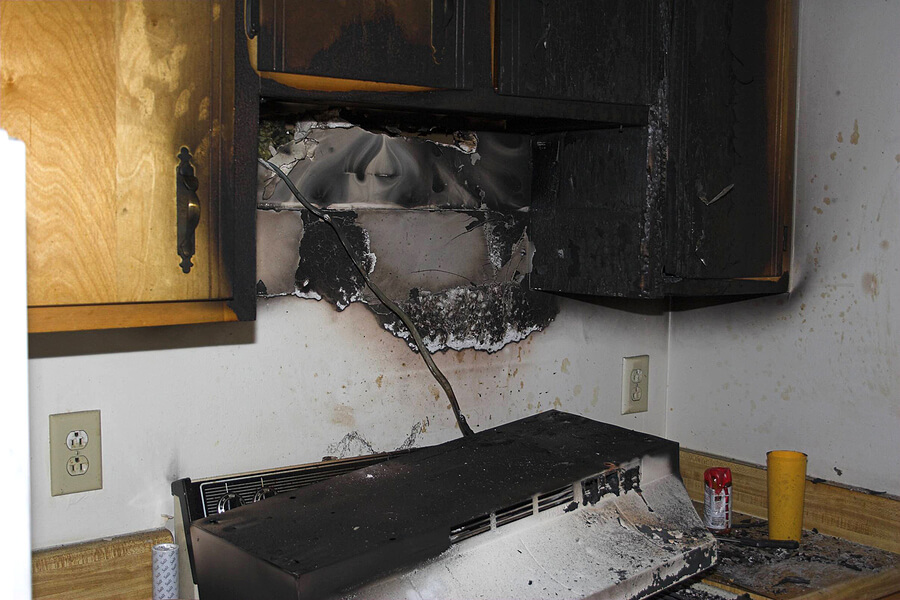
A home inspection older homes Florida buyers receive should be read as a starting point, not a verdict. Inspectors are trained to flag visible concerns, deferred maintenance, and signs that suggest a bigger issue may exist. They are not there to tell you whether a house is doomed. They are there to help you ask better next-step questions.
What older Florida homes are really telling you
Older homes speak in clues. A sticking window, a musty closet, a stained ceiling, brittle flooring in a laundry room, or an aging vent fan can all point in different directions. The same symptom can mean something minor, something old and already resolved, or something active that needs quick attention.
Florida homes, especially in places like Groveland, Clermont, Minneola, Leesburg, and Mount Dora, deal with persistent moisture pressure. Indoor air quality Florida homeowners care about is heavily influenced by how well a home handles that moisture. If a report mentions discoloration around supply vents, soft drywall near a bath, or a garage that smells stale, the question is not simply, “Is this mold?” A better question is, “What moisture source fed this, and is it still active?”
That one shift in mindset keeps buyers from overreacting to language that sounds scary but is often cautious by design. Inspectors use terms like “appears,” “recommend further evaluation,” and “evidence of prior moisture intrusion” because they are reporting observations, not guessing beyond what they can verify.
An older home can have blemishes and still be a solid purchase. It can also look tidy and have hidden moisture problems. Cosmetic freshness is not the same thing as a clean bill of health.
Why words like “evidence,” “possible,” and “recommend specialist” cause so much panic
Inspection reports are written to document risk without overstating certainty. That is why they often sound more alarming than the actual condition turns out to be.
If a report says there is “evidence of prior water intrusion,” that does not automatically mean there is active water damage. It may mean the stain is old, the roof was repaired, and the area is now dry. It may also mean the leak is still happening during heavy rain but not on dry inspection day. Both are possible, which is why context matters.
If an inspector notes “possible microbial growth” around an air handler closet, that is not a laboratory diagnosis. It is a visual cue that should lead to more investigation, usually focused first on moisture and conditions rather than testing for the sake of testing. In Florida, that matters because the health guidance is clear on a practical point: if you see signs of moisture or water damage, start there. Looking for the water source is usually more useful than jumping straight to sampling.
This is where many buyers get tripped up by mold myths. One common myth is that any dark spotting means a house is unsafe. Another is that a mold test is always the first and best move. In real-world Florida houses, moisture control usually tells you more than a lab report alone. If the space is damp, the air handler is sweating, or the wall stayed wet after a leak, the problem is the wet condition as much as the visible growth.
The difference between age and failure
An older home should not be expected to perform like a brand-new one. That does not excuse neglected maintenance, but it should shape your expectations.
A report might note original windows, limited attic ventilation, dated insulation, or areas where surfaces show wear. Those are not automatic deal killers. They may affect comfort, energy use, and moisture patterns, but they are often manageable if priced and planned correctly.
What deserves closer attention is a pattern. One stain can be old. Several moisture-related notes across different areas can suggest a bigger building performance issue. If the inspector notes bathroom exhaust concerns, mustiness near closets on exterior walls, rust at HVAC components, and water staining near a roof penetration, read those together. A single item may be small. A cluster deserves follow-up.
Trade-offs matter here. Some buyers want original character and accept that older homes require more observation and periodic repairs. Others need a house with minimal near-term unknowns. Neither approach is wrong. The mistake is buying a house that does not fit your tolerance for maintenance.
Water damage is where calm, methodical thinking pays off
Few inspection comments trigger anxiety like water intrusion. Fair enough. In Florida, moisture can affect finishes, framing, contents, and indoor air quality. But not every water-related note points to major restoration work.
The smart move is to think in stages. First, ask whether the water source is active, seasonal, or already repaired. Second, ask what materials were affected and for how long. Third, ask whether drying and cleanup were done properly.
That is where a basic water damage checklist helps buyers slow down and organize the conversation:
- Identify the likely source, such as roof leak, plumbing issue, HVAC condensation, or storm entry.
- Ask whether the source is active now, intermittent, or reportedly repaired.
- Look for what was affected, including drywall, baseboards, flooring, cabinetry, and insulation.
- Ask how the area was dried, and whether dehumidification and air scrubbers were used when needed.
- Find out whether the concern is limited to mitigation vs remediation, or if rebuilding is also expected.
Those last two points often get blurred. Mitigation vs remediation is not just industry jargon. Mitigation is about stopping additional damage and stabilizing conditions. That can include water extraction, drying, and humidity control. Remediation addresses contamination or damaged materials that need cleaning, removal, or specialized treatment, such as with mold-related work. Rebuild work is another phase entirely. Buyers who understand those distinctions ask sharper questions and get clearer estimates.
For example, if a laundry supply line failed months ago and the seller says it was “taken care of,” you want to know whether that means fans were set out for a day, or whether the area was actually dried to appropriate conditions and damaged materials addressed. A stain covered with fresh paint is not the same as a properly managed moisture event.

Mold concerns deserve context, not panic
Florida’s climate makes mold concerns common, but common does not mean simple. Mold needs moisture. That is the center of gravity for almost every useful conversation about it.
A closet on an exterior wall may develop mustiness because humid air and cool surfaces meet repeatedly. A return plenum area may show discoloration because condensation occurred over time. A bathroom ceiling may show spotting because it stayed damp after showers. Those examples do not all carry the same risk or require the same response.
This is why commercial mold remediation language can confuse residential buyers. People hear “remediation” and picture a catastrophic event. Sometimes the fix is limited and targeted. Sometimes it is more involved. The right response depends on the source, the extent, and whether the conditions are ongoing.
A thoughtful buyer should be wary of two bad habits. The first is dismissing visible growth because “every Florida house has that.” The second is assuming any mention of mold means the house is unlivable. Neither is smart. The better approach is to connect the dots between moisture, affected materials, and corrective steps.
If the home was closed up for a while, had AC strain during hot months, or took on moisture during storm season, stale air and localized fungal growth may be part of the story. If conditions improved after drying, ventilation changes, or repairs, that context matters. If the source is unresolved, the urgency changes.
Hurricane history changes how you read an inspection
Florida’s official hurricane season runs from June 1 through November 30, and preparation should begin before the season starts. That fact should shape how buyers read older-home inspection notes, especially in Central Florida communities where heavy rain and storm-driven moisture can expose weak points fast.
A roof that looks “serviceable” on paper may still leave you uneasy if the report also notes prior ceiling staining and sealant wear at penetrations. A garage door that functions may still be worth a closer look if the house has a history of wind-driven rain entry. A minor grading note may matter more if the lot tends to hold water after long storm cycles.
Hurricane season preparation Florida buyers should think about is not just plywood and flashlights. It starts with understanding where the house has been vulnerable before. Storm exposure often leaves subtle fingerprints, not always dramatic ones. Caulk patches, replaced baseboards, repainted lower drywall, or rusting metal components near an exterior opening can all be worth asking about.
I have seen buyers spend all their energy worrying about one suspected stain in a bedroom closet while ignoring the broader pattern of storm resilience. In Florida, a house that manages bulk water, humidity, and ventilation well often performs better over time than a prettier house with unresolved moisture habits.
Air quality concerns are often building performance concerns
When buyers talk about indoor air quality Florida homes often turn the conversation toward odors. Musty smell. Old smoke smell. Heavy air. Sharp chemical smell after fresh paint. Odors matter, but they need interpretation.
A musty smell usually raises a moisture question before anything else. Smoke odor removal is a separate issue and can be stubborn in older homes, especially if smoke residues settled into porous materials over years. Fresheners and paint can mask odor during showings, but they rarely solve it. The point is not to panic. The point is to notice patterns.
If the report mentions dirty duct areas, staining around air registers, or moisture near HVAC components, that may be tied to broader performance issues rather than a simple housekeeping problem. Air movement, filtration, humidity, and material condition all affect how a home smells and feels.
This is one reason dehumidification and air scrubbers come up so often in restoration discussions. They are tools, not magic. Dehumidification lowers moisture in the air and helps wet materials dry. Air scrubbers help improve airborne particle control during certain cleanup conditions. Buyers do not need to become restoration technicians, but understanding the purpose of those tools helps them judge whether a seller’s “we dried it out” explanation sounds complete or thin.
Not every specialist referral means disaster
Older-home inspections often end with several recommendations for further evaluation. Roofing. HVAC. Electrical. Plumbing. Moisture. Sometimes buyers read that as a sign the inspector found a money pit. More often, it means the inspector stayed in his lane.
That is exactly what you want.
A general inspector may observe suspect materials in an older home but stop short of confirming what they are. That matters with asbestos-related concerns. If a renovation is planned and older materials are involved, an asbestos survey before renovation may be a sensible next step, depending on the project and property type. In Florida, asbestos work is regulated through licensure and abatement rules, and licensed professionals must follow applicable work practices and notification requirements. That is not a corner to cut.
It is also important not to leap from “possible asbestos-containing material” to “the whole house is contaminated.” Older flooring, mastics, textures, or other materials can trigger questions, especially when disturbance is planned. The concern rises when materials will be cut, sanded, removed, or otherwise disturbed during renovation. That is when proper evaluation matters most.
The same principle applies to water and mold concerns. A referral for a moisture specialist or restoration professional is not a sign to run. It is a sign to gather better information before deciding how to negotiate.
A practical way to separate manageable findings from expensive unknowns
When buyers feel overwhelmed, I like to reduce the noise to five judgment calls:
- Is the issue active, or only evidence of a past event?
- Is the problem isolated, or part of a pattern across the house?
- Are the affected materials cosmetic, structural, or porous and contamination-prone?
- Is the seller’s repair story specific and believable, or vague and unsupported?
- Does the house still fit your budget after a realistic repair allowance?
Those questions bring the emotion level down fast.
Take an example. An inspection notes staining around an attic access panel, minor discoloration in a supply closet, and a musty smell in one rear bedroom. That could point to a major hidden issue, but it could also reflect old roof leakage plus a room with poor airflow and elevated humidity. The difference is discovered through follow-up, not fear.
Or consider a house that shows no dramatic visible damage, but multiple rooms have cupped flooring edges and the air feels damp. That can be more concerning than a single patched ceiling stain, because it suggests a broader moisture management problem rather than one contained event.
Sellers, managers, and prior cleanup stories
Sometimes the most useful information comes from how a seller describes past events. If they can say when the issue happened, what area got wet, how the source was repaired, and what drying steps were taken, that gives you something concrete to evaluate. If every answer sounds like “it was no big deal” and details are fuzzy, keep digging.
This is also where buyer expectations can borrow a lesson from the commercial side. In apartment and mixed-use settings, property manager water damage issues are often handled with a clearer chain of documentation because multiple units, insurance claims, and tenant impacts may be involved. Residential sellers do not always keep records that way, but the principle still helps. Good cleanup stories have dates, scope, cause, and corrective action.
In Central Florida, some buyers also ask about local emergency response after storms or sudden leaks. That is find out more a fair question. Access to 24/7 emergency cleanup Lake County services can make a meaningful difference in how much damage spreads after a burst line or storm intrusion. Fast response does not guarantee perfect restoration, but delays often make cleanup more complicated, especially in humid weather.
What not to do after reading the report
One of the biggest mistakes buyers make is shopping for certainty that does not exist in old houses. You are rarely going to get a report that says everything is perfect. You are looking for enough clarity to make a good decision, not a fantasy of zero risk.
Another mistake is using worst-case internet advice to interpret local Florida conditions. An older house in Lake or Orange County with some moisture history should be evaluated through the realities of this climate, not compared to a dry-climate home with totally different stressors.
The final mistake is letting one dramatic word, usually mold, asbestos, or water damage, outweigh the full picture. Those words deserve respect. They do not deserve blind panic.
The calm buyer usually gets the better house
There is an advantage to staying steady when inspection findings show up. Buyers who can read concerns carefully often make better deals because they know which findings need immediate action, which need a specialist opinion, and which are simply part of owning an older Florida home.
That steadiness matters in a region where humidity is persistent, storms are seasonal realities, and building materials have lived hard lives. The smartest buyers are not the ones who find a flawless report. They are the ones who know how to interpret a flawed one.
If the house has signs of age, prior repairs, or moisture-related notes, do not rush to label it good or bad. Ask what happened. Ask what is still happening. Ask what was done about it. Separate active problems from old scars. Separate cleanup from reconstruction. Separate surface fear from useful information.
Older Florida homes can be wonderful purchases. They can also ask more of you. If you read inspection concerns with patience and judgment, you are far more likely to know which is which.